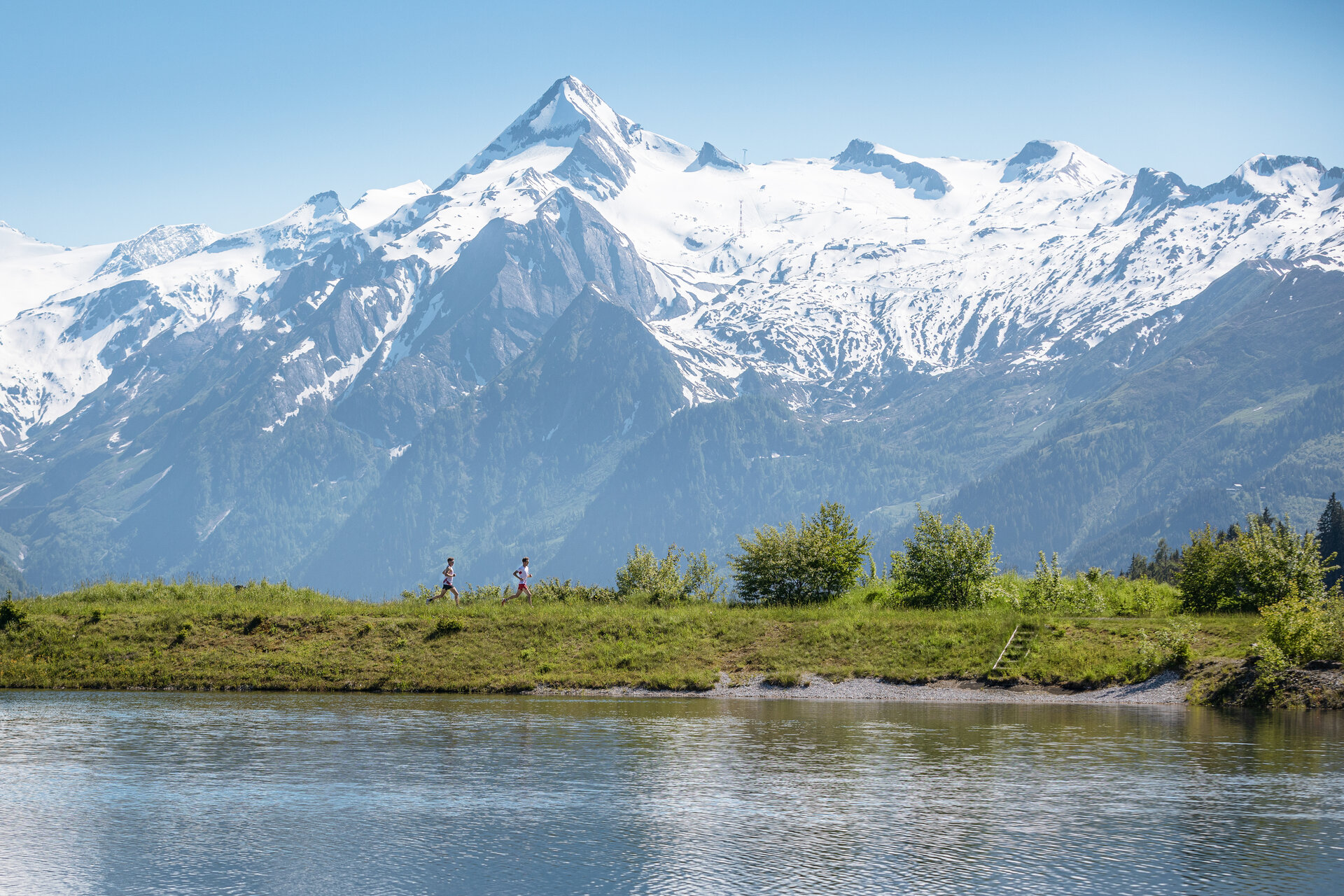
Trail running with a view
Trail running with a view
of lake, mountains and glacier
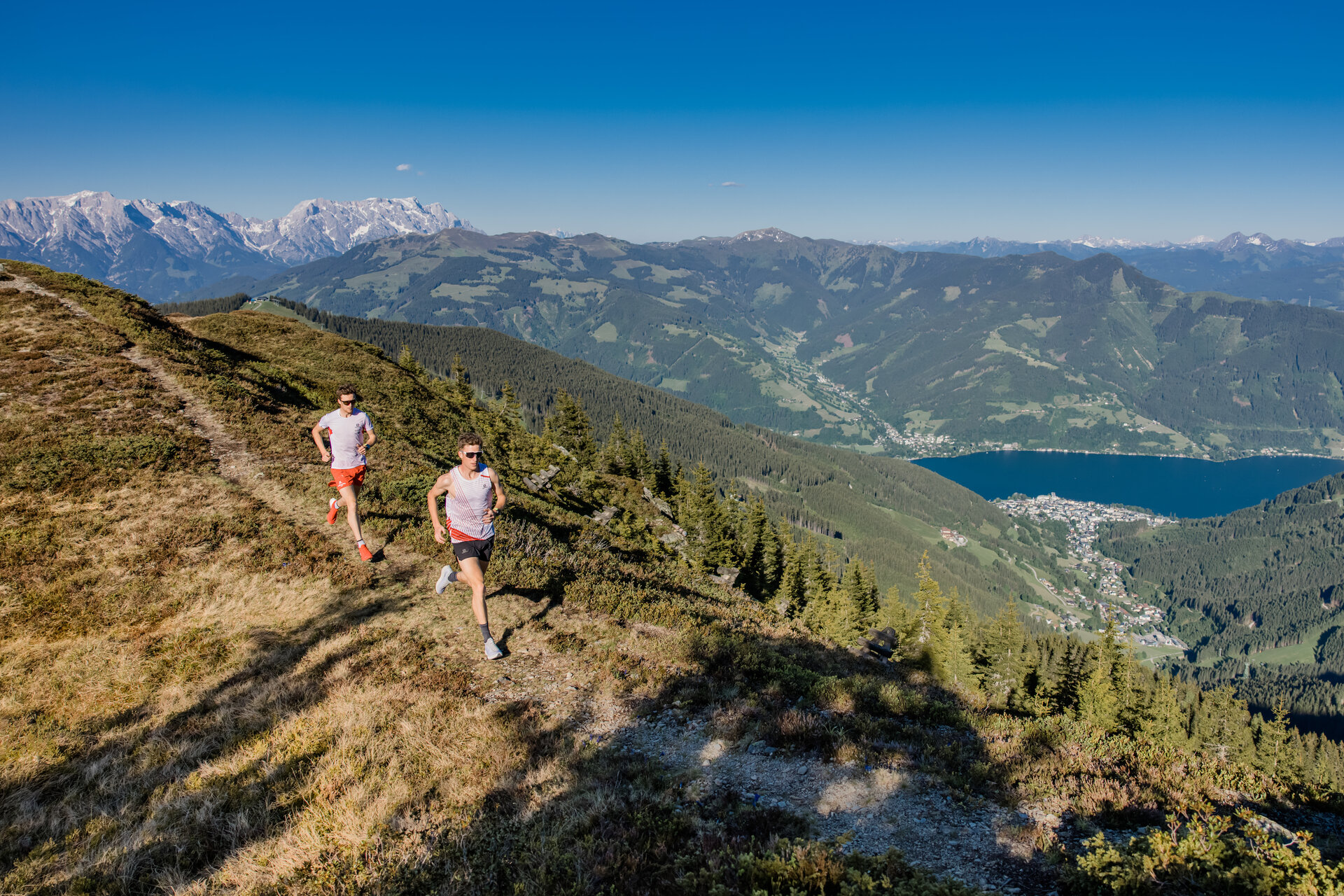
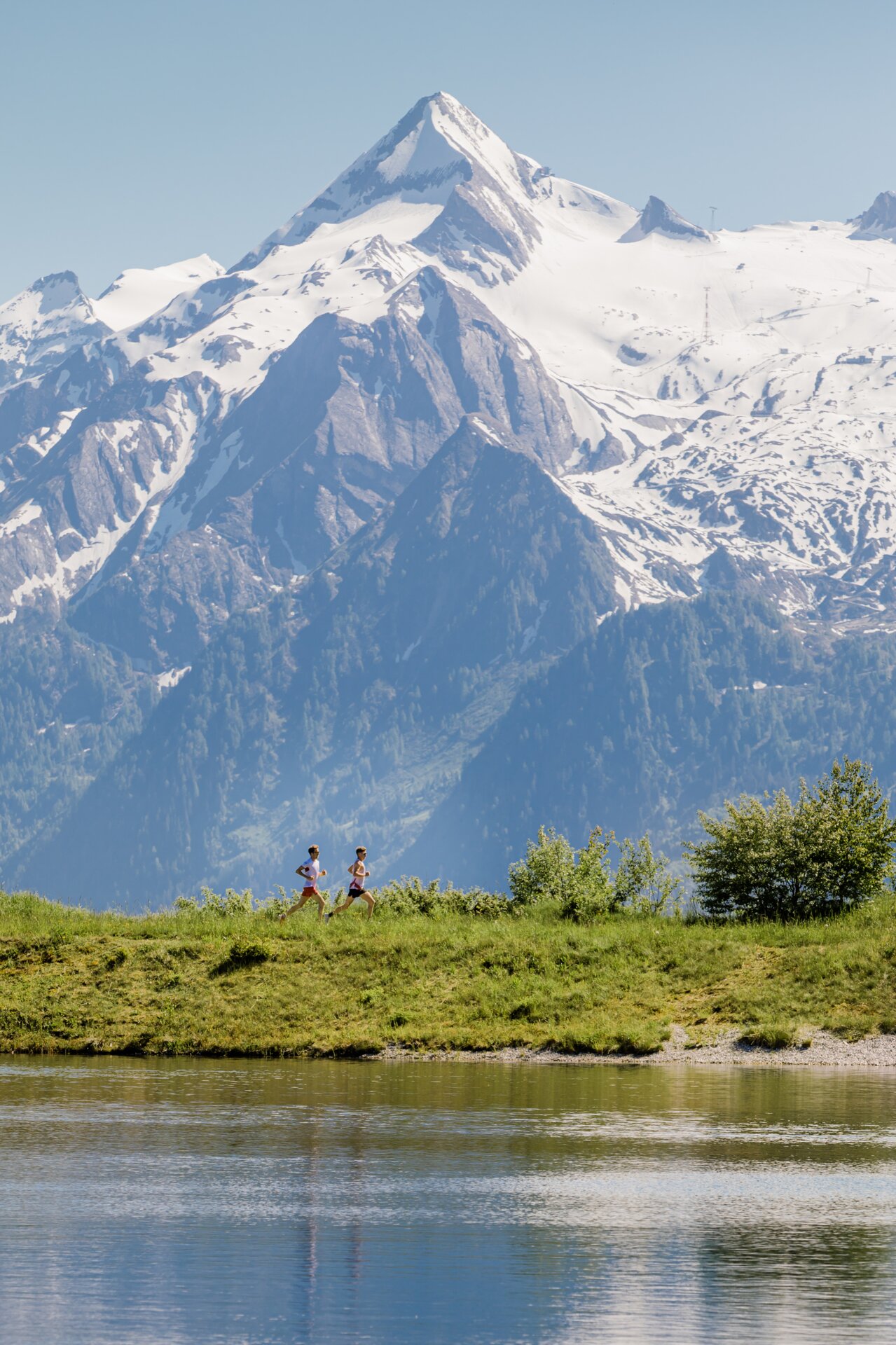
You want to conquer nature while running? Then running on the diverse mountain trails in Zell am See-Kaprun is just perfect for you as a trail runner! Altitude metre by altitude metre we are not only following the tracks of sporty goals, but also of the most beautiful panorama. This combination also inspires the two professional athletes Manuel and Hans-Peter Innerhofer. They provide the most important tips for trail running beginners and bring a tour recommendation with them.
To the Salzburg running talents Manuel and Hans-Peter Innerhofer, trail running has been much more than just covering distances since their youth: At the age of 16, the two athletes decided to dedicate their careers to mountain running and trail running. For this purpose, the twin brothers are training in Zell am See-Kaprun this time. We took the opportunity to ask them in more detail: What makes trail running so exciting? And is it a sport for everyone?
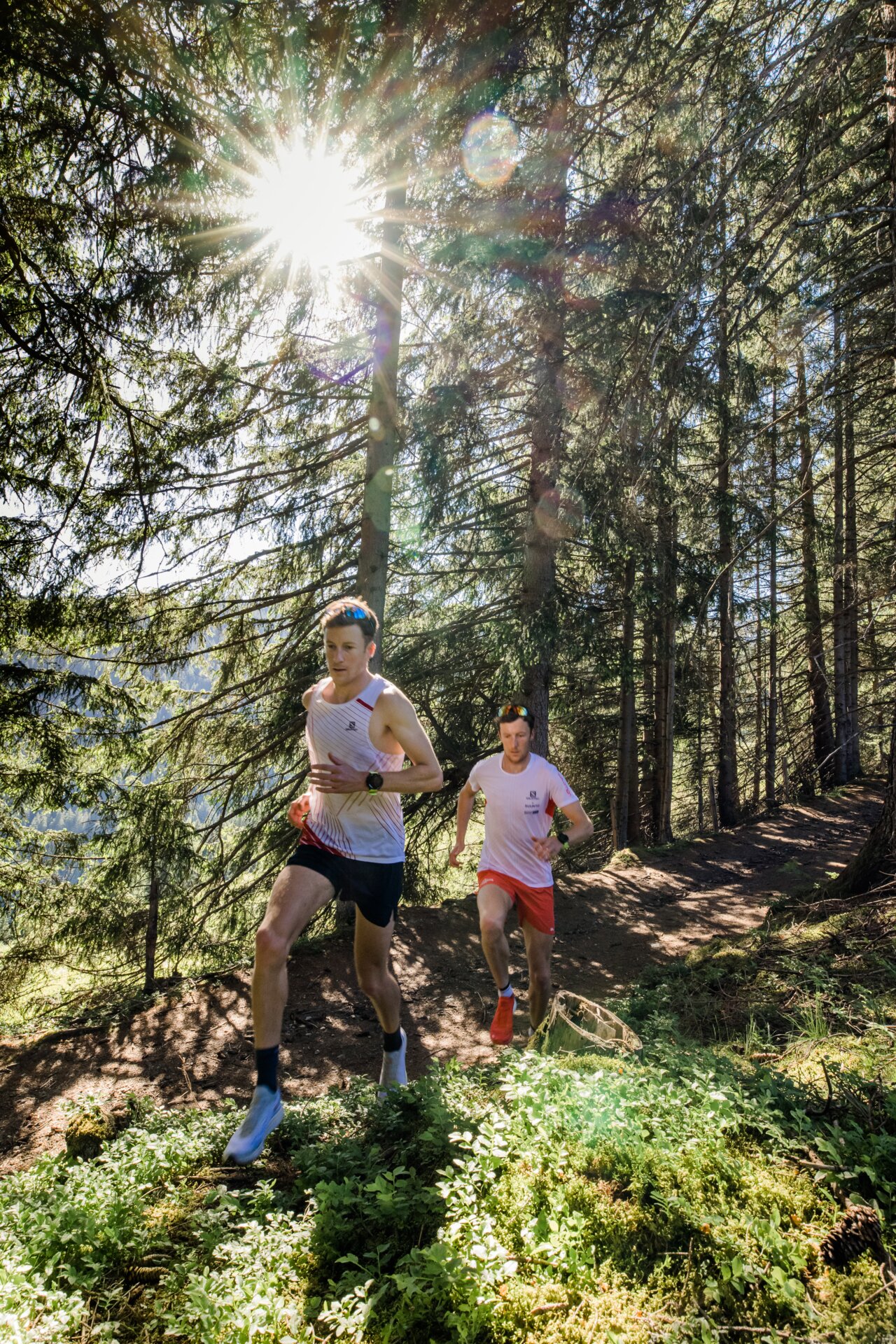
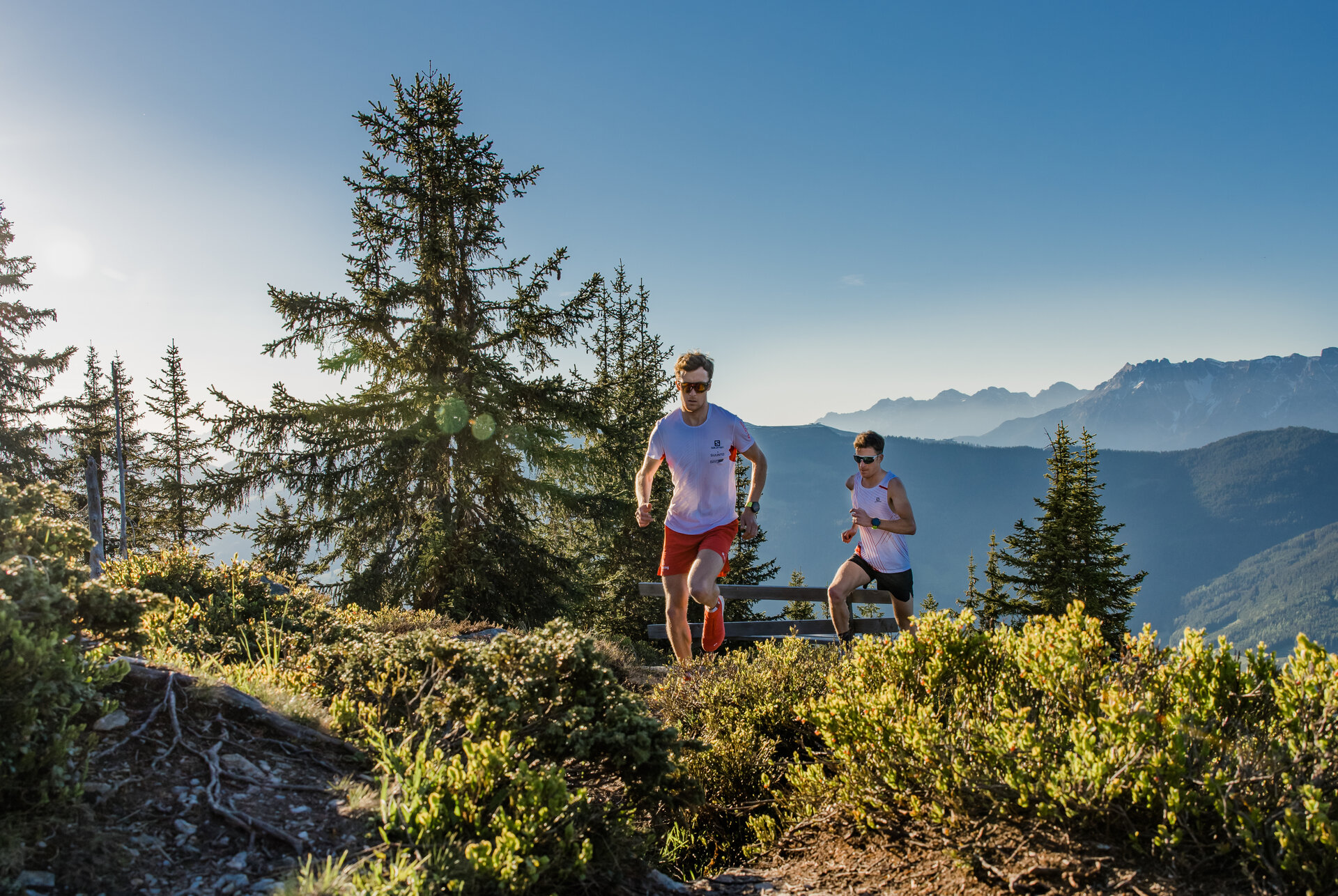
"When trail running, I don't just follow asphalted roads, I can also run cross-country on small mountain paths and discover nature in all its variety," says Manuel enthusiastically. He shares his passion with his brother Hans-Peter. Both are Salomon Running Team athletes and love to move from root to root as soon as they put on their running shoes.
Motivation is everything
"In principle, trail running is a sport for everyone. The most important thing is not to put yourself under pressure at the beginning. Trail running doesn't mean running up a steep mountain straight away. That takes up too much energy and the motivation quickly fades," Manuel explains. The brothers advise trying out flat trails at first and familiarising yourself with the terrain: "Newcomers should start in small stages, five minutes running, five minutes walking. Gradually you can increase the intervals," recommend Manuel and Hans-Peter.
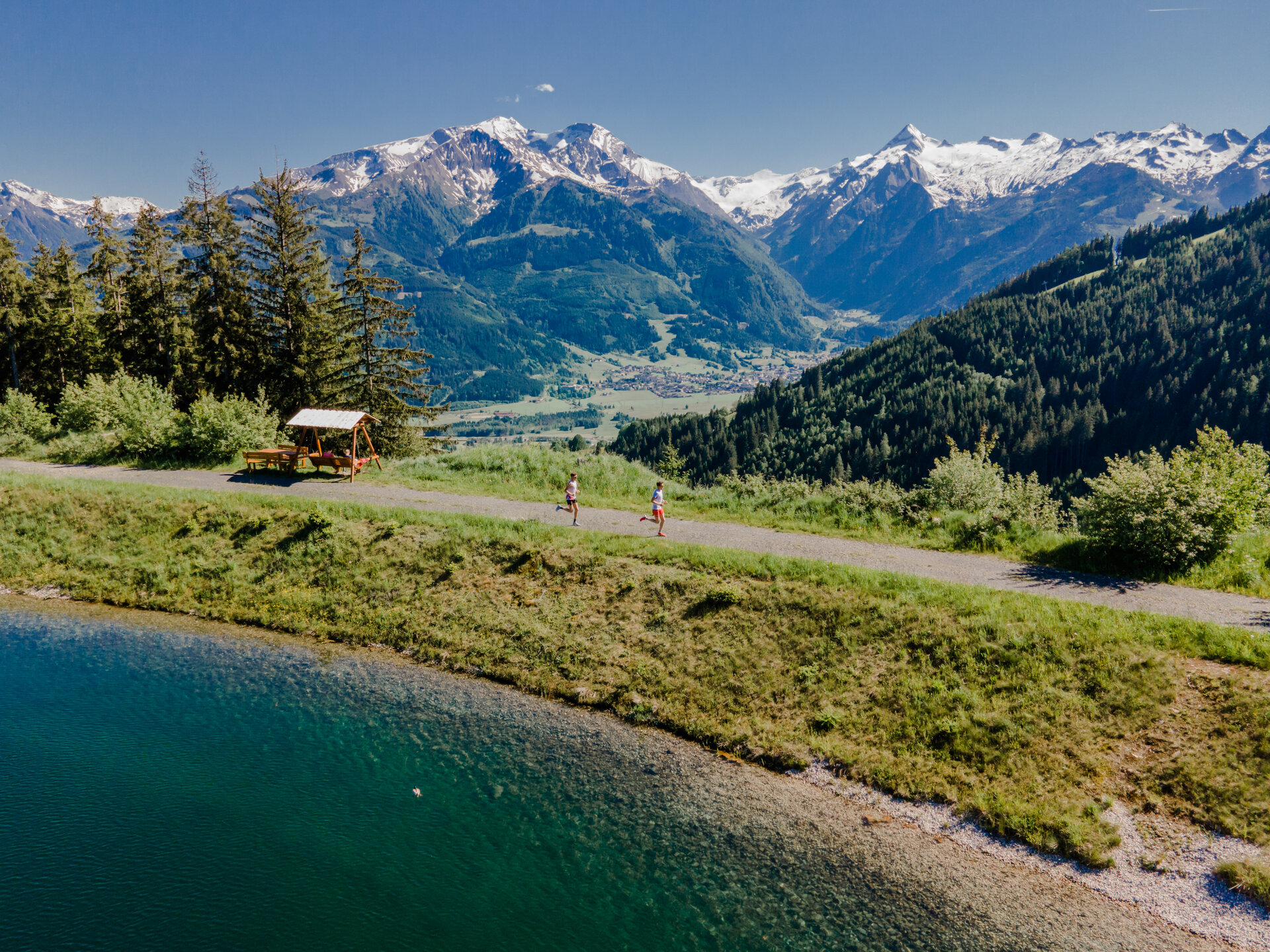
“For competitive runners, harder intensive training makes sense,” says Manuel. His basic training includes two hours of running a day with his pulse between 140 and 150. In addition, there is a more intensive training once a week, when he runs uphill for about 50 minutes. "Having a good body feeling is the most important ingredient in trail running. I have to train that to prevent injuries," Hans-Peter explains. "As a competitive runner, I also have to constantly improve not only strength, stability, balance and coordination, but I also have to pay attention to proper nutrition," says Hans-Peter.
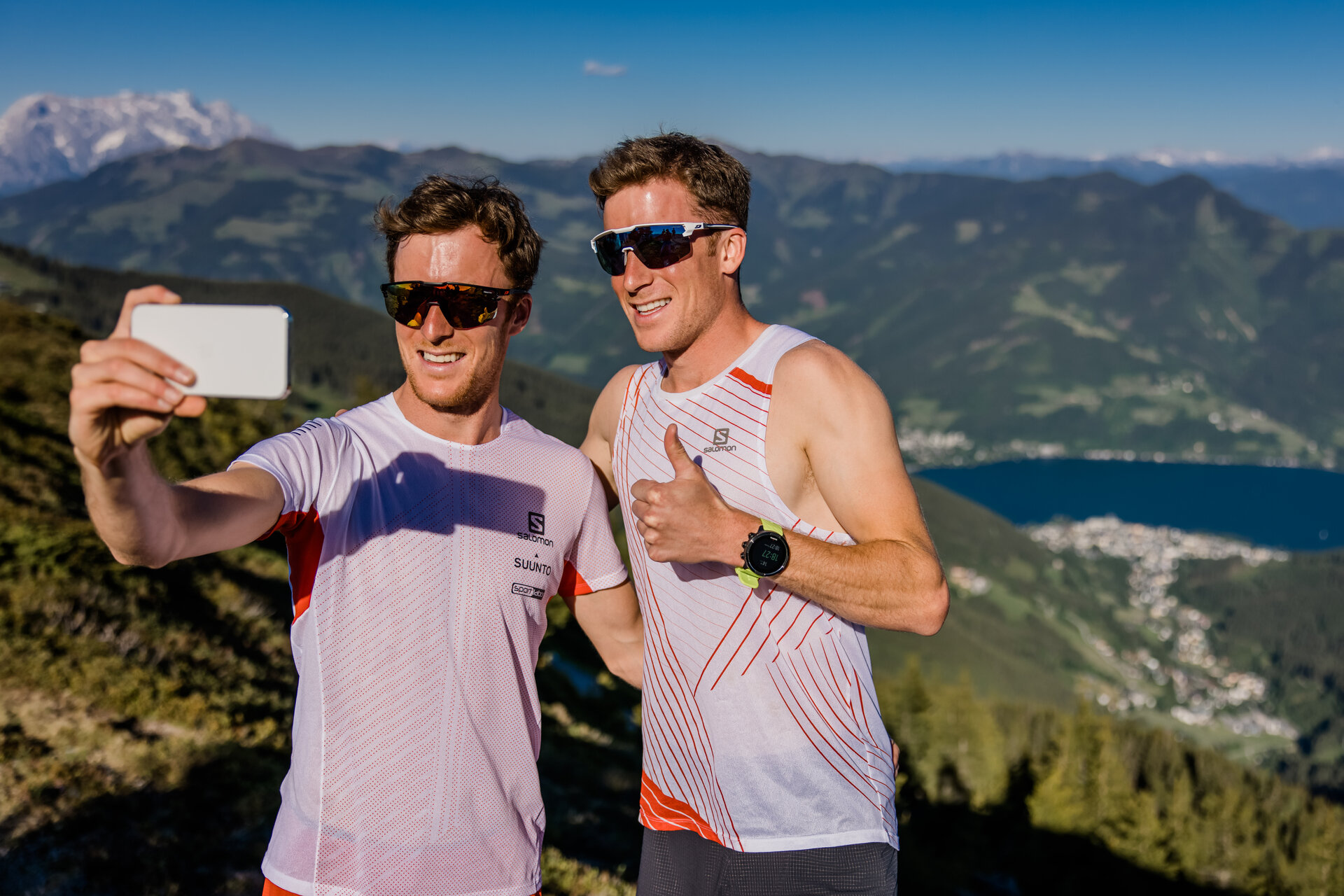
The right equipment
You are motivated, but you still need the right equipment? For this, the Innerhofer brothers have also valuable tips for you. “When trail running, you need shoes that you trust 100 per cent," they both know. "They need to have a good grip and provide support, even when it gets wet or slippery." Newcomers in particular should familiarise themselves with the different surfaces of forest and mountain trails in the beginning, and should test different shoes, the brothers say. "When it comes to shoes, you have to make sure they have good cushioning and they are comfortable, especially in the beginning. If you increase your performance, run longer distances and more altitude metres, then the weight of the shoes also plays a role," Manuel explains.
As professional athletes, they both have a few shoes in use, but they like to rely on Salomon shoes. The "Sense Softground 8" or "Pulsar" models are among their new favourites. "Both are ultra-light and I can safely maintain my speed in wet or soft terrain" explains Hans-Peter.

A backpack as light as a vest
In addition, a suitable backpack is worth its weight in gold as a companion on the trail. Manuel relies on the "Salomon ADV Skin". "It's more like a light vest; you can pack the most important things and it still doesn't bounce around while running." He always carries his water in matching soft flasks. These bottles contract when he drinks and only take up space if there is something in them.
Besides the basic equipment with shoes and backpack, running poles are also a recurring topic. Manuel and Hans-Peter almost never run with poles. The only exception is when the training takes them up a steep path, such as a ski slope. "If mountain trails are new territory for someone, then poles can easily overtax them. Trail running then quickly turns into Nordic walking," Manuel smiles. But if you use running poles, you have to make sure they are the right length, he says. "The arms have to be bent at right angles when you stand on the flat."

Take breaks
When it comes to food, the athletes also recommend: Less is more. For beginners, however, it definitely makes sense to pack a muesli bar or a banana in addition to water. "Or you stop at an alpine pasture, then you have the lightest of backpacks," they both smile.
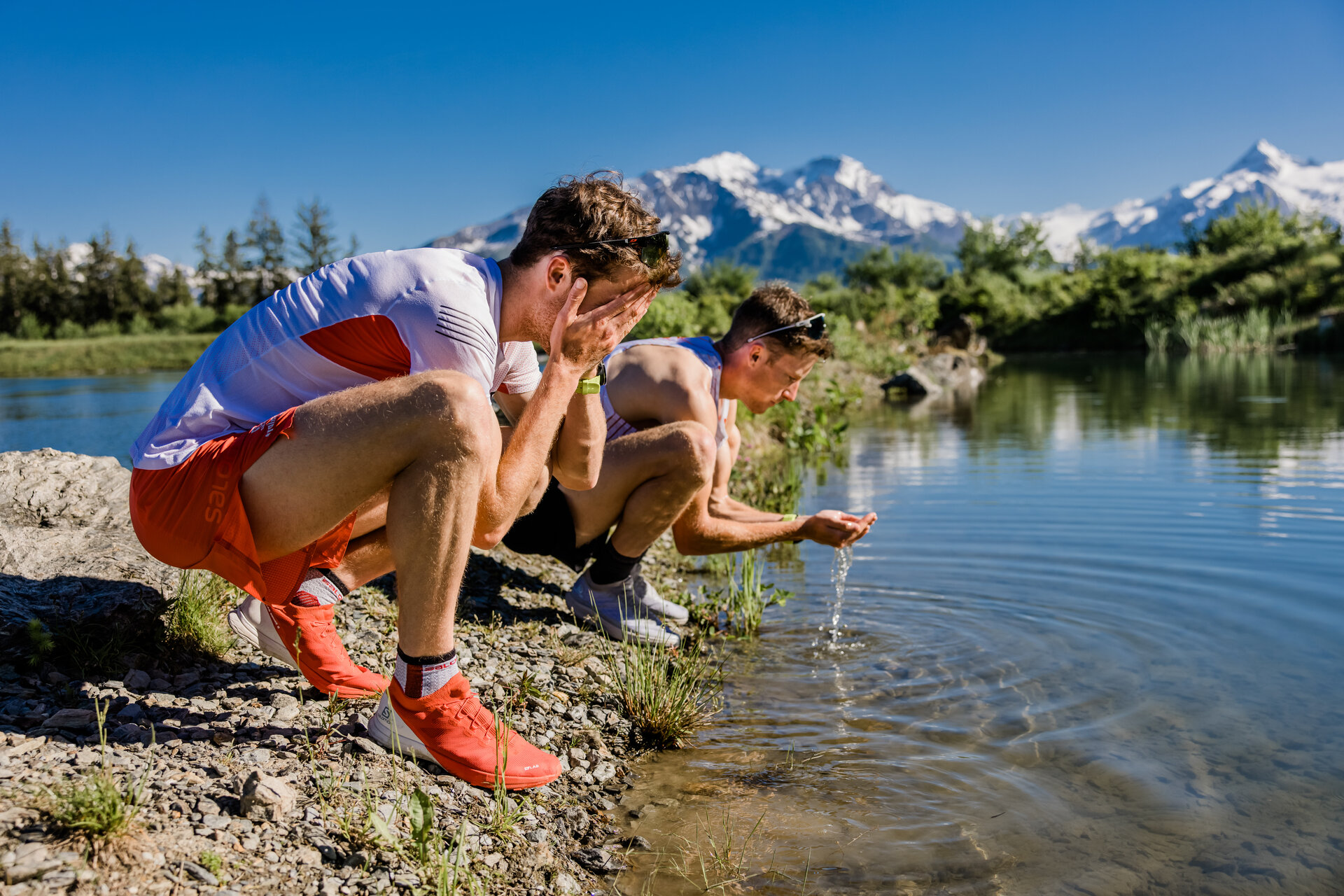
Packing list for your next trail run:
- Trail running shoes
- Water
- A shirt to change
- Running vest
- Running poles (optional)
- Windbreaker
- Hat and gloves if necessary
- Sports gel
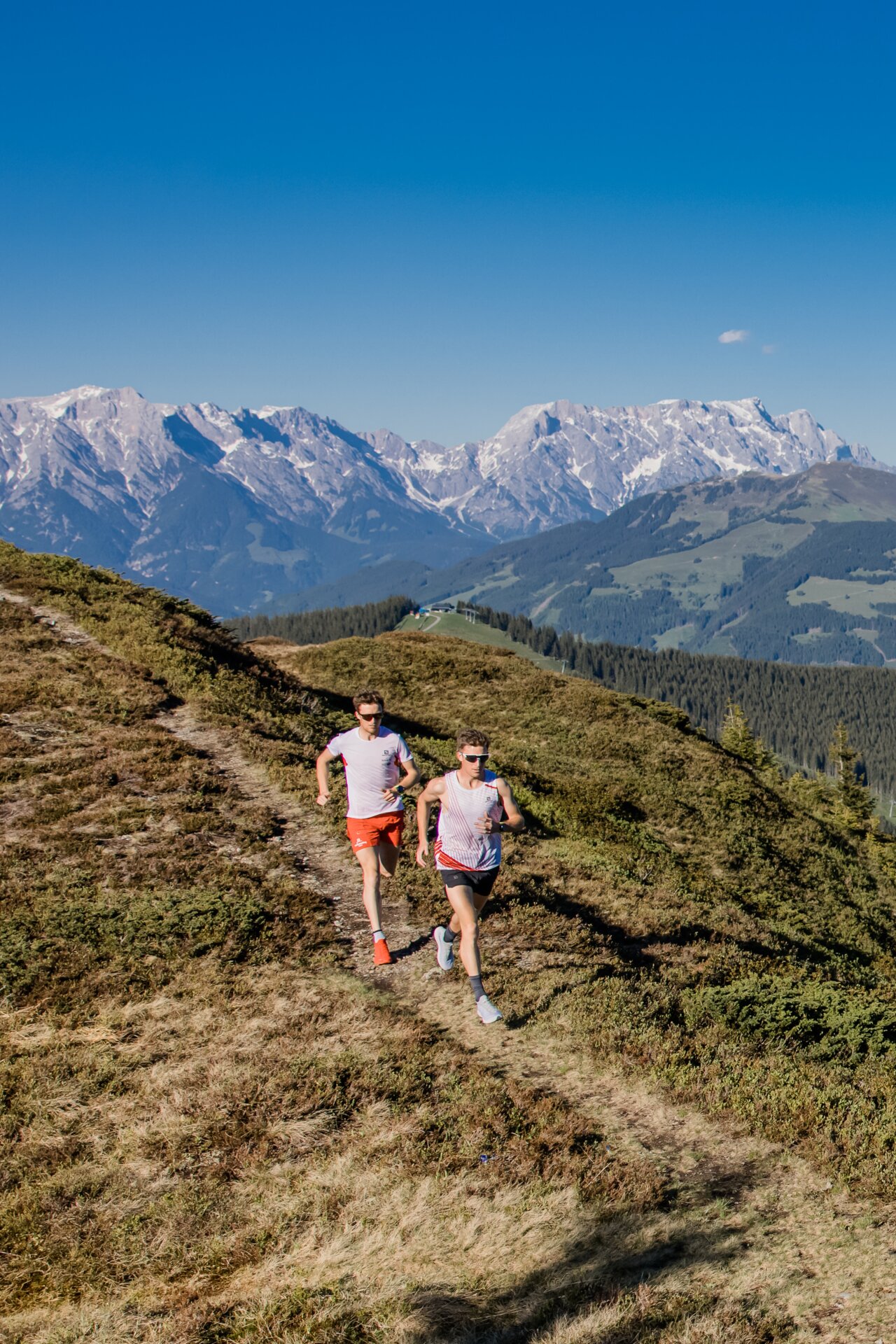
Tour tip of the Innerhofer brothers: Panorama Trail Long in Zell am See-Kaprun
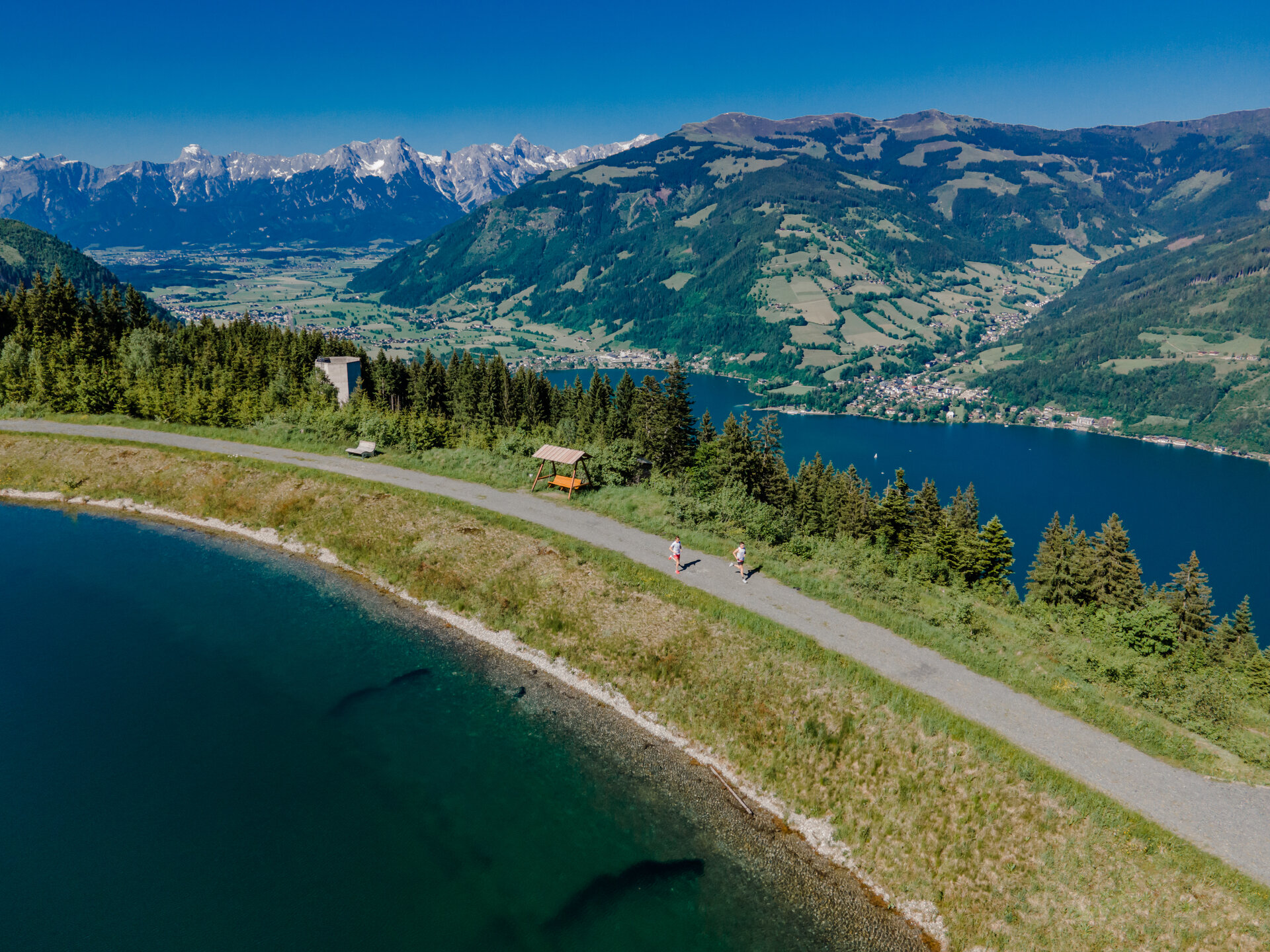
Do you want to train like the Innerhofer brothers and conquer the mountain world of the Schmittenhöhe while running? Then the 14-kilometre Panorama Trail Long is the perfect choice. Almost three hours of rewarding impressions await you: From the starting point at Elisabeth Park in Zell am See, directly on the shores of Lake Zell, the trail starts flat and heads southwest along the lake. After crossing a bridge, however, it gets sporty and the mountain run will challenge you. Once you have reached the Plettsaukopf reservoir and the intermediate terminus, a beautiful trail leads you to the areitXpress. Here you can enjoy the run triumphantly downhill into the valley towards Schüttdorf and along the lake. Put on your shoes and off you go!